.png)
%20(2).jpg)
DAUÞUZ – TODESWERK
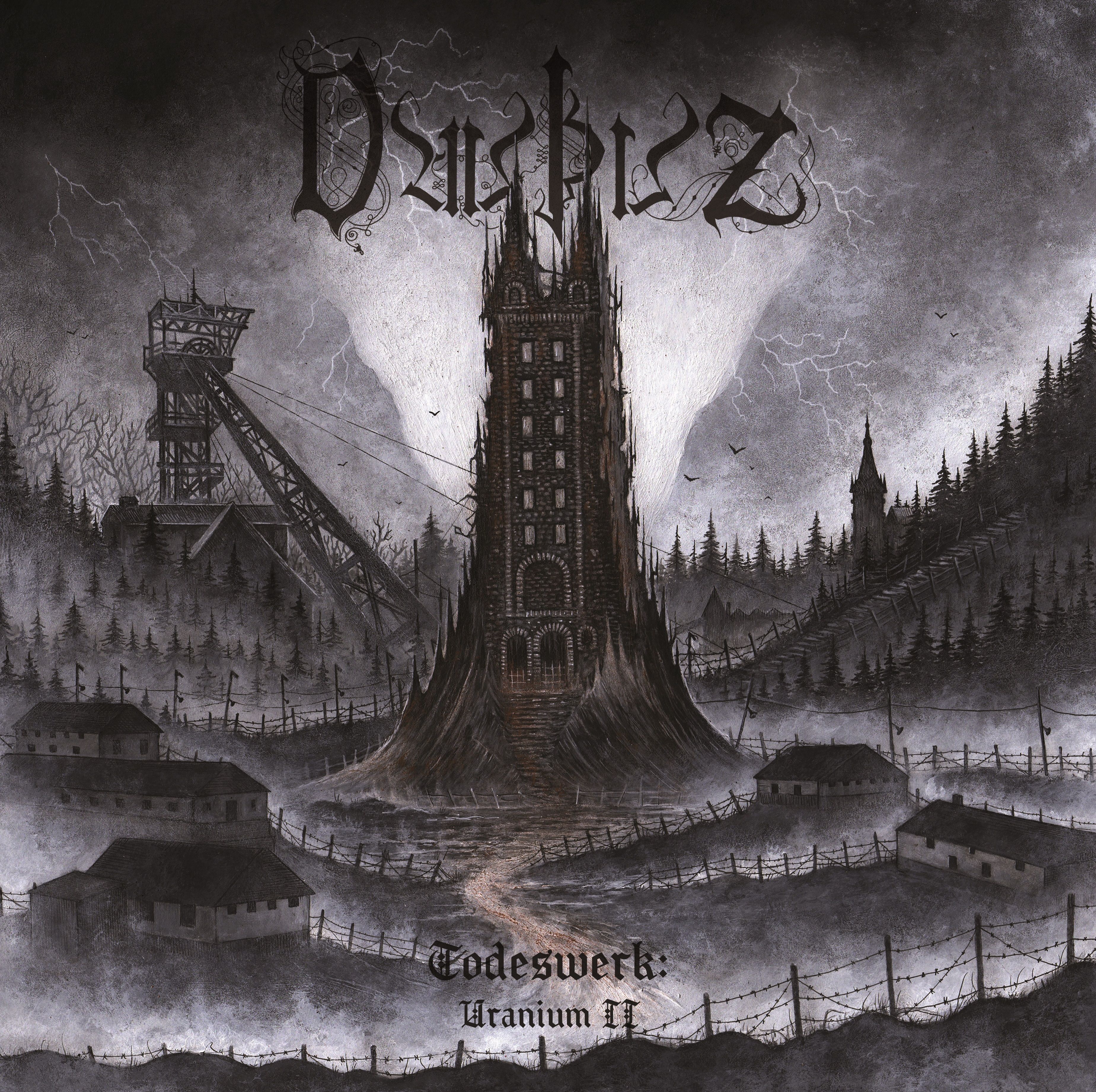
Release Date: 29 May 2026 via Amor Fati Productions - With "Todeswerk: Uranium II", DAUÞUZ continue to deepen their distinctive brand of "Mining Black Metal", merging ’90s-inspired melodic black metal with suffocating atmosphere and historical weight. More brutal in execution yet still rich in acoustic melancholy, the album benefits greatly from the addition of session drummer Werwolf, whose performance gives the songs extra force and depth. Lyrically, the record turns toward the horrors of uranium mining in post-war Joachimsthal and Bohemia, focusing on forced labor, industrial decay, and the human suffering buried beneath the Soviet atomic program. Dark, mournful, and fiercely immersive, Todeswerk: Uranium II transforms forgotten history into bleak and emotionally charged black metal.
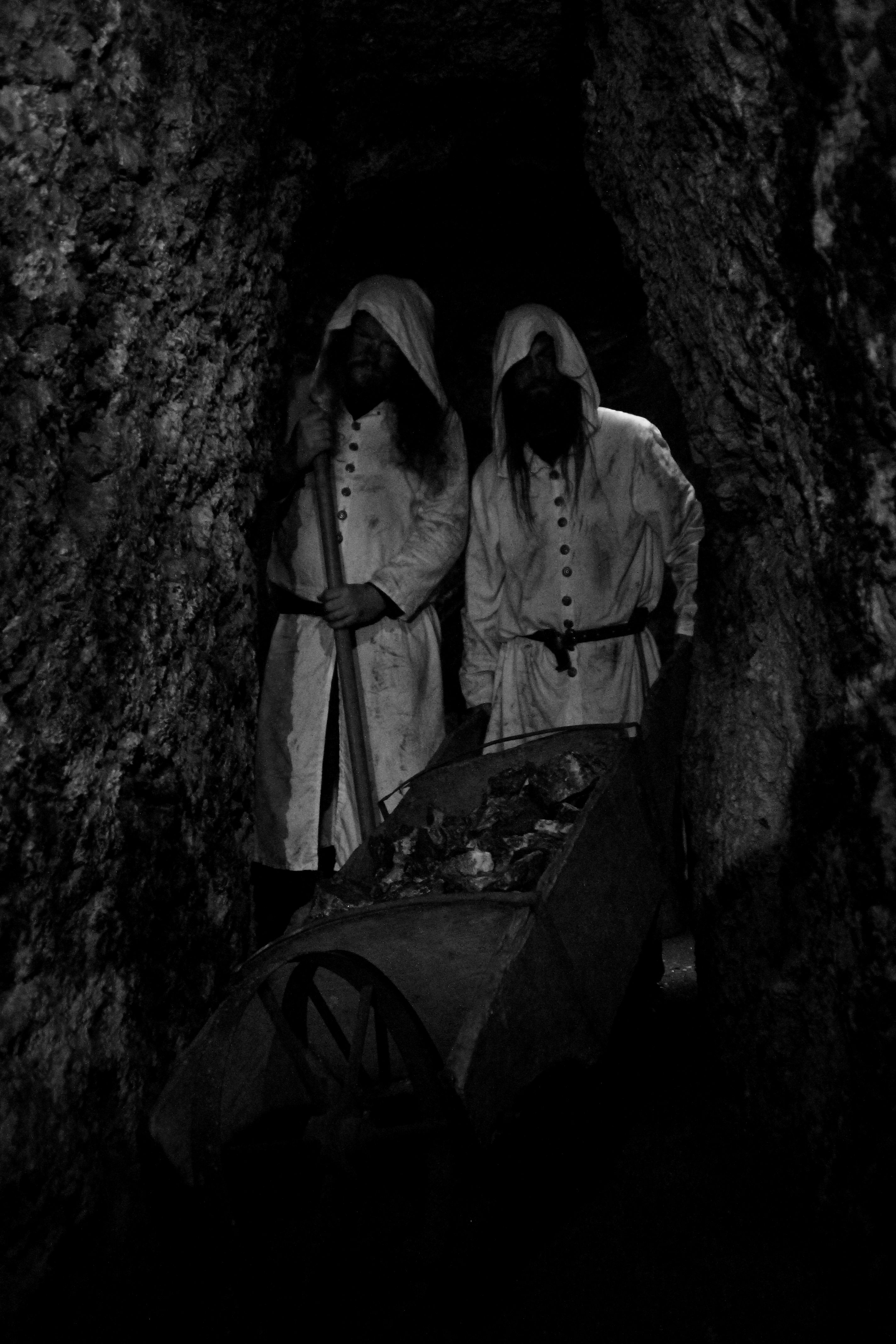
Rather than treating history as distant subject matter, DAUÞUZ drags the listener directly into the suffocating reality behind post-war uranium mining on "Todeswerk: Uranium II". The album centers on the forced labor camps of Joachimsthal and Bohemia, where countless workers were consumed by brutal conditions, industrial exploitation, and slow physical ruin under Soviet control. Through themes of suffering, decay, and human collapse, the band paints a grim portrait of the hidden victims sacrificed during the race toward the atomic bomb. One of the album’s greatest strengths lies in how naturally DAUÞUZ balances harshness with melancholy. The band’s signature acoustic guitar passages return throughout Todeswerk: Uranium II, starting with the mournful and melancholic opening moments of 'Joachimsthal-Jáchymov', The album wastes little time establishing its bleak atmosphere, opening with fragile and melancholic melodies before erupting without warning into violent blast beats and tortured vocals soaked in grief. DAUÞUZ strikes a strong balance between beauty and aggression here, with razor-edged riffs and anguished screams forming the track’s emotional core. Subtle choir-like vocals drifting through the background add an extra haunting layer to the composition. A stronger bass presence could have given certain sections even more weight, but that remains only a minor flaw within an otherwise deeply effective piece. 'Hammerzwang' serves as a haunting acoustic interlude, built around beautifully melancholic guitar work that feels almost narrative in its emotional pull. DAUÞUZ creates a quiet, reflective atmosphere here, as if the piece is carrying echoes and memories from another time buried deep beneath the album’s harsher moments.
'Der Turm des Todes' immediately sinks the listener into an atmosphere of industrial dread. Ominous organ melodies and metallic rattling noises evoke the feeling of machinery and rail transport deep within the mining landscape before DAUÞUZ erupts into a far rawer and more desperate black metal assault. The track strongly recalls the abrasive spirit of the genre’s early ’90s era, while ghostly choir vocals drifting beneath the aggression add a lingering sense of uncertainty and tension throughout. 'Bluteisen', the album’s second interlude, mirrors the mournful atmosphere of 'Hammerzwang' while deepening the sense of pain, memory, and quiet despair running through the record. Built around intertwining clean guitar melodies, DAUÞUZ allows each phrase to unfold like its own fragile narrative before the piece slowly fades back into silence. "Todeswerk: Uranium II" closes with 'Des Häftlings Bergmannstod', where unidentified ambient textures, likely echoing the earlier industrial rattling motifs—resurface to tie the album’s atmosphere together. DAUÞUZ then drives into a relentlessly forward-moving composition, unfolding like a constant stream of water that cannot be stopped. Over this unbroken momentum, the commanding vocal presence of Syderyth G. dominates the track, carrying a palpable sense of despair that cuts through every layer.Distorted guitar lines and the intense drumming and guitar work of Aragonyth S. heighten that feeling of psychological collapse, pushing the song deeper into darkness as it grows increasingly aggressive and mentally unhinged. A brief spoken film sample, "Beeilt euch ihr stinkenden Hunde", pierces the mix before everything spirals further into chaos. In the final moments, the track resolves into distant chanting or singing, possibly the mourning voices of fellow miners, bringing the album to a bleak and haunting close.
With "Todeswerk: Uranium II", DAUÞUZ deliver a bleak and immersive continuation of their "Mining Black Metal" vision, blending raw melodic black metal with stark acoustic passages and oppressive historical atmosphere. While the album leans further into brutality, it never loses its sense of narrative depth or emotional weight. Occasional production roughness aside, the record stands as a harrowing and thoughtfully constructed descent into industrial suffering and human devastation-cold, intense, and deeply affecting from beginning to end.
SCORE 8.5/10
REVIEWED BY SWAMPY


SOUNDWORKS TOURING AUSTRALIA UPCOMING TOURS - TICKETS ON SALE NOW

PRIMITIVE MOTH - CLICK HERE TO DISCOVER ARTISTS